
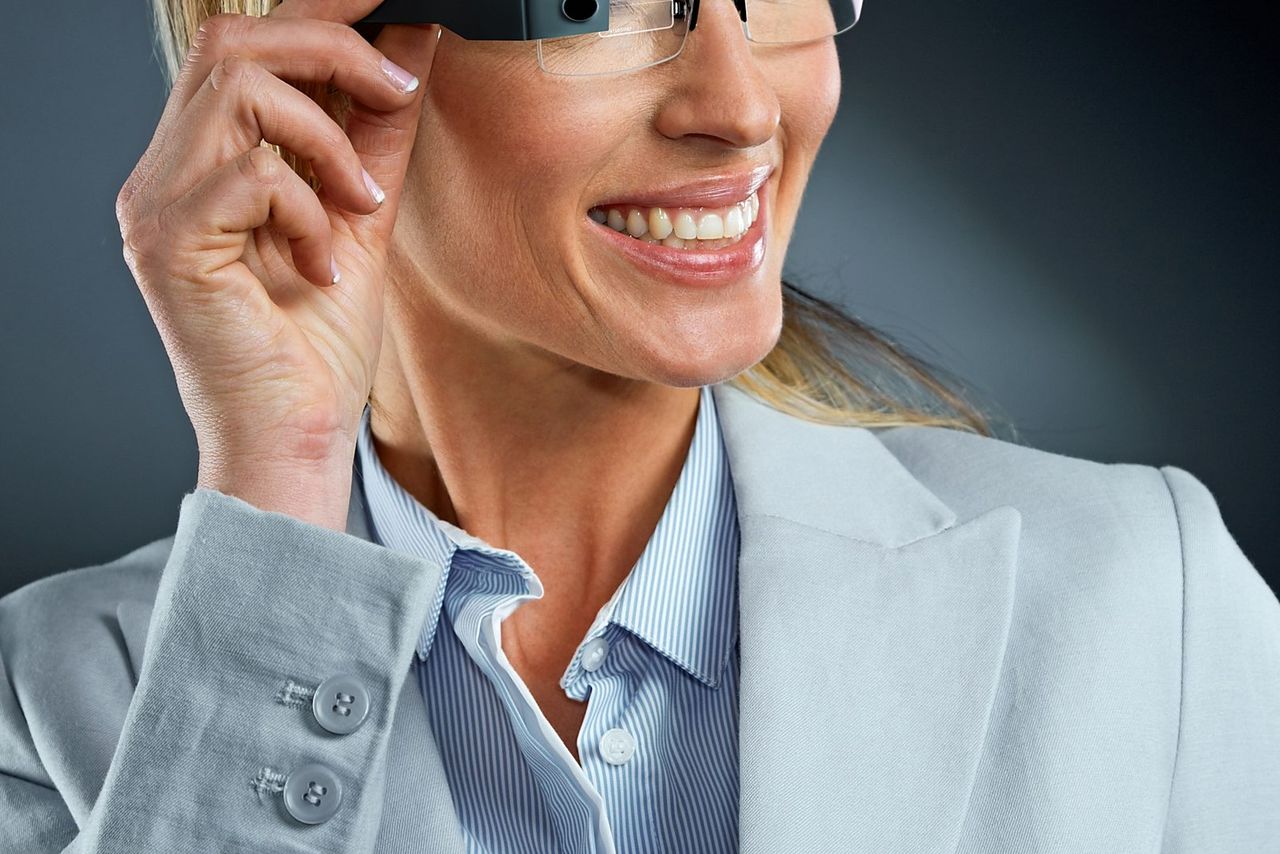
These frames can look like ordinary glasses. Whether they count as safety glasses depends on the maker's own safety guide and on whether the frame and lenses carry a Z87 mark, not on how they look.
How we researched this: We read the safety guides that Meta and the eyewear makers publish for Ray-Ban Meta, Oakley Meta Vanguard and Meta Ray-Ban Display, Meta's prescription help page, Lucyd's product page for its Armor smart safety glasses, OSHA's eye protection rule, and the summaries of ANSI/ISEA Z87.1 published by ISEA and ANSI. We checked them on October 29, 2026. We don't test eyewear. A standard printed on a product or a web page is the manufacturer's own claim.
The short version
- Most popular smart glasses are not safety glasses, and their makers say so. The safety guides for Ray-Ban Meta (Gen 2 Optics), Oakley Meta Vanguard and Meta Ray-Ban Display all say the glasses must not be used as protection against mechanical impact.
- None of those guides mentions ANSI Z87.1, the US standard for work and school safety eyewear. Vanguard's guide cites sunglass rules instead: EN ISO 12312-1, ANSI Z80.3 and the FDA lens rule.
- Z87 smart glasses do exist. Lucyd says its Armor frames meet Z87.1-2020 high impact (Z87+), but only with non-prescription lenses.
- Check the frame and lens for the Z87 mark before you wear any glasses as safety eyewear.
What makes glasses "safety glasses" in the US
In the US, "safety glasses" normally means eyewear made to ANSI/ISEA Z87.1, the American National Standard for occupational and educational eye and face protection. The current edition is Z87.1-2025, which ISEA, the standard's publisher, announced in January 2026. ANSI's store describes its scope as protectors that reduce injuries from "impact, non-ionizing radiation and liquid splash exposures in occupational and educational environments."
Three points matter for smart glasses:
- It's a marking standard as well as a test standard. Compliant eyewear is permanently marked. The basic mark is Z87. Z87+ means the maker claims the high-impact level, and Z87-2 is used for prescription eyewear (ANSI's summary of the 2025 edition).
- Every part counts. The standard says protectors bearing the Z87 mark must meet all applicable requirements "in its entirety". Smart glasses add batteries, hinges, speakers and cameras, so a Z87 claim has to cover the finished product as sold.
- Sports are outside its scope. ANSI's summary lists "sports and recreation" among the exposures Z87.1 doesn't cover. Sports have their own standards. Our eye protection standards comparison explains which one goes with which sport.
At work, OSHA ties eye protection to these standards. Under 29 CFR 1910.133, employers must make sure workers use "appropriate eye or face protection" when exposed to hazards such as flying particles, and the devices must comply with one of the Z87.1 editions the rule lists (2010, 2003 or 1989), or be shown by the employer to be "at least as effective." The rule also says eye protection must be marked to identify the manufacturer. For the prescription side of the OSHA rule, see does OSHA require prescription safety glasses?
What the makers' own safety guides say
This table only lists products whose current safety document we could open. Quotes are copied from the maker's document.
| Product | What the maker's safety guide says about impact | Standards or rules it names | Z87 mentioned? |
|---|---|---|---|
| Ray-Ban Meta (Gen 2 Optics, clear prescription version) | "These are NOT protective eyeglasses" and "NOT suitable for eye protection against mechanical impact hazards" | ISO 12870 (eyeglass frames); EU medical device rules | No |
| Oakley Meta Vanguard | "This Product must not be used as safety or protection against mechanical impact" | EN ISO 12312-1:2022, ANSI Z80.3-2018 (R2023), FDA 21 CFR 801.410 | No |
| Meta Ray-Ban Display | "The Product must not be used as safety glasses or protection against mechanical impact" | EU PPE Regulation 2016/425, EN ISO 12312-1:2022 | No |
| Lucyd Armor (smart safety glasses) | Lucyd says Armor is "ANSI Z87.1-2020 high impact (Z87+)" with non-prescription lenses | Z87.1-2020, CSA Z94.3:20, EN ISO 16321-1 (per Lucyd) | Yes, per Lucyd |
The Ray-Ban Meta guide goes further than a disclaimer: "in case of impact, the eyeglasses may break causing hazards to the wearer, such as injuries to the face and eyes." The Meta Ray-Ban Display guide adds: "Do not wear the Product while performing activities with increased risk of impact or falls."
If your model or version isn't in the table, read the safety leaflet that came in the box, or the maker's online safety page for that exact model. Sunglass and clear-lens versions of the same frame can come with different documents.
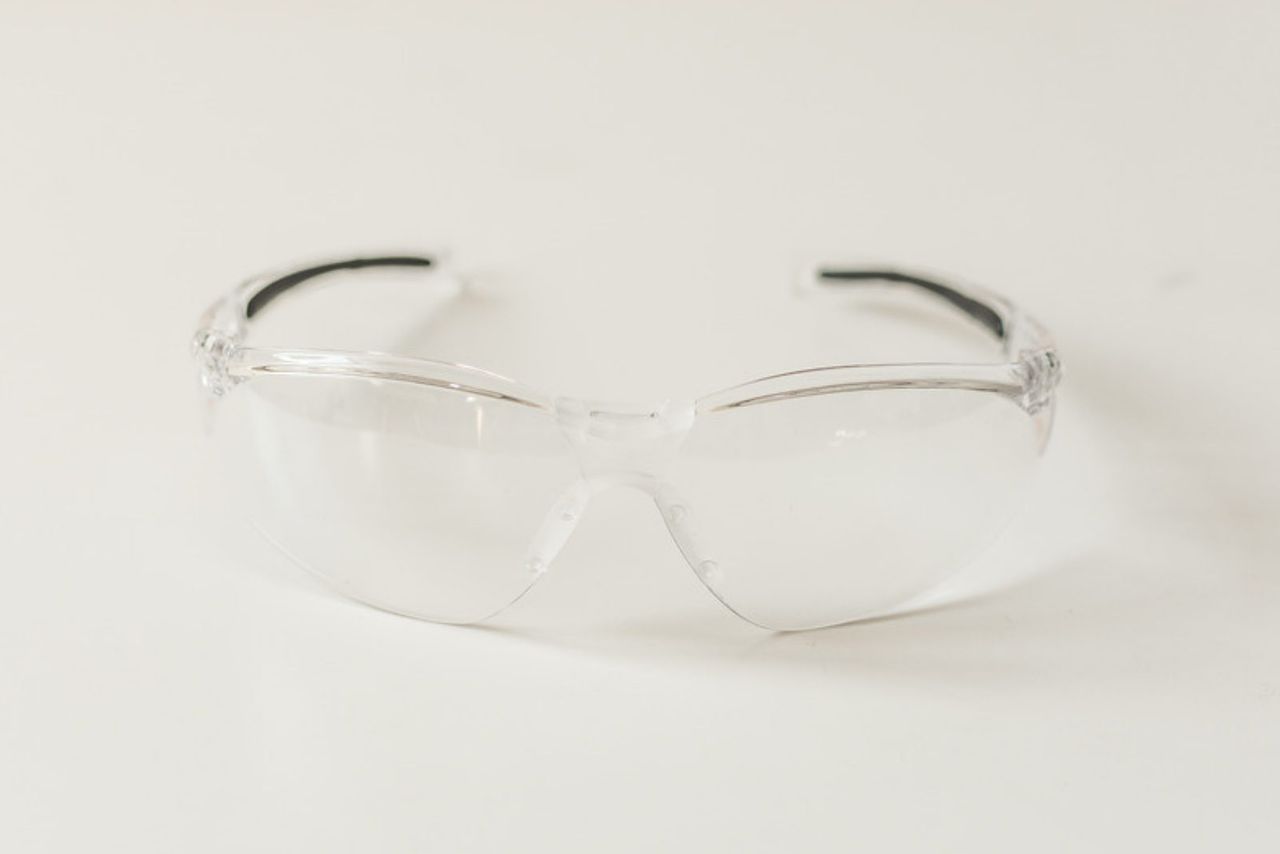
Oakley Meta Vanguard: sport glasses, not safety glasses
Vanguard is the one most often asked about, because it looks like sport protection. Oakley's product page describes a "rugged full-wrap lens for maximum coverage and protection," and the safety guide says the glasses are rated IP67 for dust and water.
But the same guide is explicit. Under "Limitations of Use" it says the product "must not be used as safety or protection against mechanical impact." A second section repeats that it "is not to be used as safety glasses or eye protection against mechanical impact hazards."
The standards it does cite are sunglass standards:
- EN ISO 12312-1:2022, the European and international standard for sunglasses.
- ANSI Z80.3-2018 (R2023), the US standard ANSI titles "Nonprescription Sunglass and Fashion Eyewear Requirements."
- FDA 21 CFR 801.410, the federal rule that eyeglasses and sunglasses sold in the US must have impact-resistant lenses. Its referee test drops a 5/8-inch steel ball weighing about 0.56 ounce from 50 inches onto the lens.
Meeting the FDA lens rule is not the same as meeting Z87.1. The FDA rule applies to everyday eyeglasses and sunglasses. Z87.1 is a separate, voluntary standard for work and school eye protection, with its own tests and markings.
You may see Vanguard listed as "Z87." Some seller listings describe Vanguard as Z87-rated. Oakley's own guide doesn't say that. If a listing claims Z87, ask the seller where the Z87 mark is printed on the frame and lenses you'll receive. The mark on the product is what counts, not the listing.
Smart safety glasses that carry a Z87 claim
Smart glasses built as safety eyewear are a separate category. Lucyd Armor is one example with a public, specific claim. On its product page, Lucyd says:
- Armor Original and Armor Slim are "ANSI Z87.1-2020 high impact (Z87+)."
- Armor Original is a CSA Z94.3:20 Class 1 protector and Armor Slim is Class 1A (CSA is the Canadian standard).
- "These ratings apply to the frame with non-prescription lenses; impact qualification for prescription-glazed lenses is still in progress."
- Armor takes prescriptions from -2 to +8 SPH (Slim: -2 to +6).
That last caveat matters. If you order Armor with your prescription, Lucyd's own page doesn't yet claim the Z87 impact rating for that version. Check the markings on the pair you receive, and ask Lucyd if you need Z87-2 prescription safety eyewear for work.
We haven't handled or tested Armor. We list it because its maker publishes a specific standard, edition and limit. Other "smart safety glasses" may make vaguer claims. Words like "impact-resistant," "shatterproof" or "safety lens" aren't the same as a Z87 mark.
Prescription smart glasses aren't automatically safety glasses
Many smart glasses can be ordered with prescription lenses. Meta's help page lists these eligible ranges (checked October 29, 2026):
| Meta model | Eligible prescription range (total power) |
|---|---|
| Ray-Ban Meta | -12.00 to +6.00 (Gen 3 Aviator: -6.00 to +4.00) |
| Oakley Meta HSTN | -12.00 to +6.00 |
| Oakley Meta Vanguard | Prescription lenses at participating retailers; not orderable through Meta.com |
| Meta Ray-Ban Display | -4.00 to +4.00, single vision only |
| Meta Glasses | -12.00 to +2.25 |
A prescription lens in a smart frame is still an everyday eyeglass lens. In the US, prescription safety eyewear is marked Z87-2 under Z87.1. Unless the frame and lens carry that mark, prescription smart glasses don't count as prescription safety glasses.
Can you wear smart glasses at work?
That's up to your employer's hazard assessment and site rules, not the glasses. A few points from the sources:
- Where there's an eye hazard, OSHA expects appropriate eye protection that meets Z87.1 or is shown to be at least as effective. A smart frame whose own guide says it isn't impact protection doesn't fill that role.
- Wearing them under protection is a separate question. OSHA's rule lets workers with prescription lenses wear protection "that can be worn over the prescription lenses without disturbing the proper position" of either. Whether smart glasses fit under a given over-the-glasses goggle or face shield depends on the frame size and the protector. Try it, and ask your safety lead.
- Distraction is a hazard of its own. Oakley's guide warns that using the glasses "may distract you or increase the time it takes to react to hazards." Meta's Display guide says on-screen content "may obscure or block your view of your surroundings."
- Many sites have their own rules about cameras and recording devices. Check before you wear camera glasses on the job.
More work eye protection guides are on our work safety topic page.

A two-minute check before you rely on any glasses
- Look for the mark. Z87 (or Z87+, or Z87-2 for prescription) should be on the frame, and lens markings on the lens. Our guide to Z87, Z87+ and Z87-2 markings shows what each means.
- Read the safety leaflet. If it says "not for protection against mechanical impact," believe it.
- Match the claim to the version. A rating for non-prescription lenses may not cover a prescription version, as Lucyd's page shows.
- Ask the seller when a listing and the product documents disagree.
- For sports, look for the sport's own standard. For racket sports, see our pickleball glasses guide.
Bottom line
Ray-Ban Meta, Oakley Meta Vanguard and Meta Ray-Ban Display are everyday glasses or sunglasses with electronics, and their makers' guides say they aren't for impact protection. If you need safety glasses, wear eyewear marked Z87 or Z87+ (Z87-2 for prescription). If you want both in one frame, choose a smart frame whose maker states the Z87.1 edition and impact level for the exact lenses you're buying.