This byline is a pen name. Editorial standards still apply to every page published under it.
Drew Halvorsen is the pen name of the RatedEyewear author, who has spent 15 years in eyewear product development. Drew's specialty is developing and designing eyewear built to meet published safety standards, such as ANSI Z87.1 and ASTM standards. That background shapes every guide on this site: what a standard actually requires, what a manufacturer states on its own spec pages, and which markings, fit measurements and lens details matter when you choose eye protection. Our guides are research-based. RatedEyewear doesn't run a testing lab, and we don't test or vouch for individual products. To keep coverage independent, we don't name the author's past or present employers, and we don't recommend products from companies in which the author holds a financial interest.
Oakley Meta Vanguard's safety guide says it isn't for impact protection and cites sunglass standards, not ANSI Z87.1. How to check a Z87 mark. Checked Nov 19, 2026.
Best basketball goggles for adults and kids: what ASTM F803 covers, why everyday glasses aren't protection, and three Rx-ready picks (spec check, Oct 2026).
Pickleball glasses compared by the standard that matters: ASTM F3164-24 for racket sports. Indoor, outdoor and prescription options, checked against brand spec pages (Oct 2026).
USA Racquetball still names ASTM F803 for eyewear, while ASTM moved racquetball to F3164 in 2019. What the rules require, the penalties, and what to ask before a tournament.
Prescription ranges for Ray-Ban Meta, Oakley Meta HSTN, Meta Ray-Ban Display, Even Realities G2, XREAL and VITURE, from each maker's own pages, checked Nov 16, 2026.
Ray-Ban Meta, Oakley Meta Vanguard and Meta Ray-Ban Display all say in their safety guides that they aren't safety glasses. What Z87.1 requires, and where Z87 smart glasses exist.
What Z87-2+ means on prescription safety glasses, what OSHA 1910.133 says about Rx lenses, and three Rx-ready frames whose makers state ANSI Z87 compliance (spec check, Oct 2026).
Best shooting range glasses: what the Z87.1 '+' impact rating means, lens colors makers suggest for indoor and outdoor ranges, and two lens kits (Oct 2026).
OSHA doesn't require prescription safety glasses as such. It requires eye protection with your Rx built in or worn over your glasses. Who pays, contacts and Z87-2 marks.
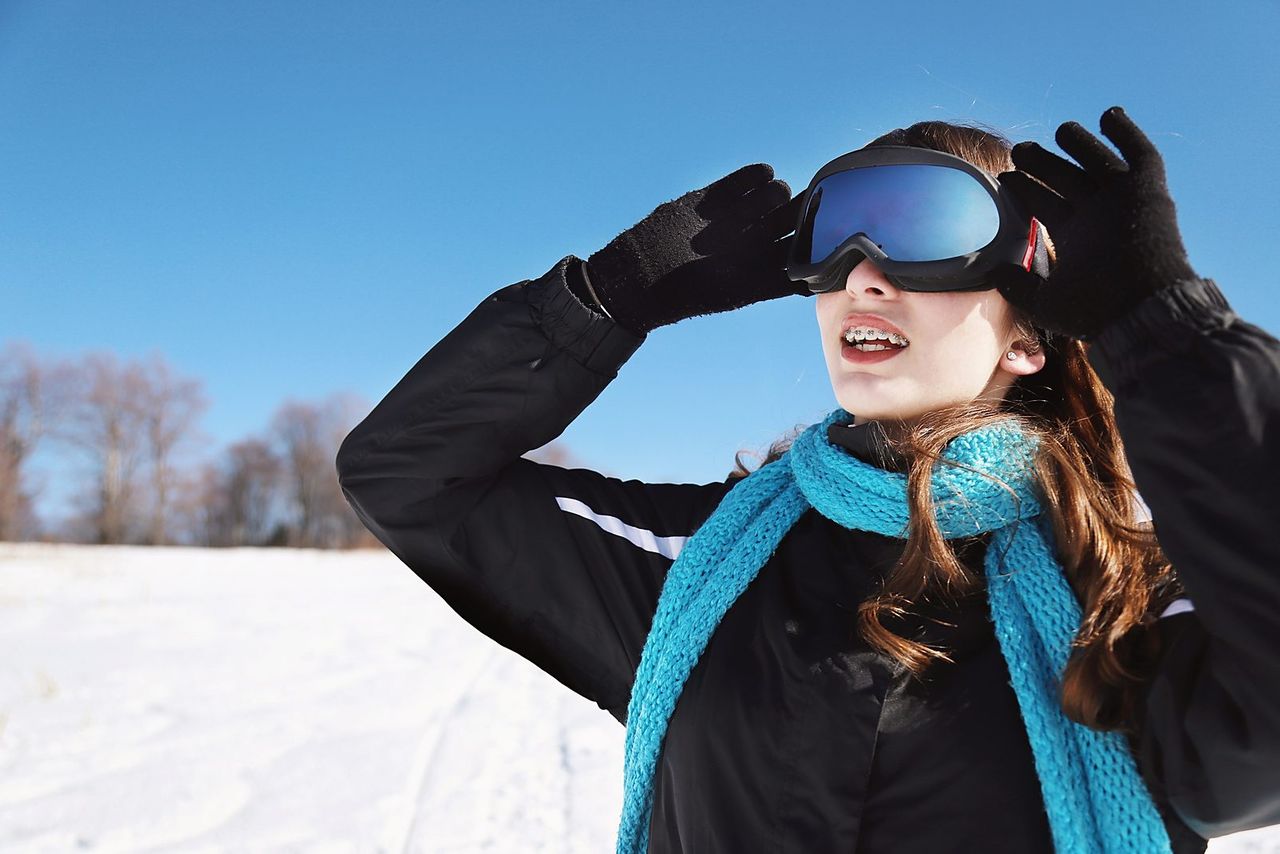
OTG means over the glasses. What makers mean by it, how to check your glasses fit, why they fog, and what a ski goggle standard does and doesn't cover when glasses are underneath.
Z87 means a basic-impact device, Z87+ means impact-rated, and Z87-2 marks a prescription frame. How to read every mark on safety glasses, goggles and Rx lenses.
ASTM F659 was withdrawn in 2024 and EN 174 has been replaced by EN ISO 18527-1. What today's ski goggle standard covers, what S0-S4 means, and what a label doesn't promise.
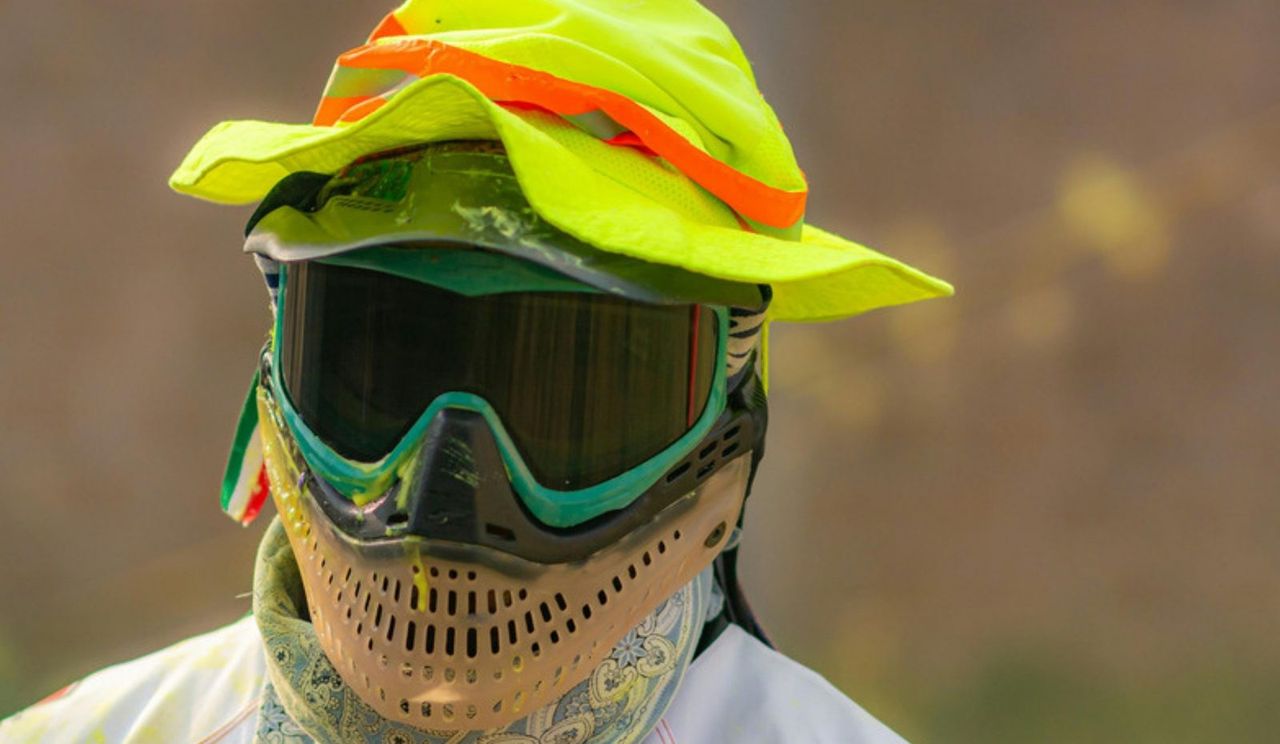
ASTM F2879 is the airsoft standard for game play. ANSI Z87.1 shooting glasses only fit target practice with a backstop. What each covers and what to check on the label.