
This page contains no affiliate links. It summarizes published research. RatedEyewear didn't collect injury data itself.
The numbers at a glance
| Study (source) | Data and years | Headline estimate | Key detail |
|---|---|---|---|
| JAMA Ophthalmology, pickleball ocular injuries in EDs | CPSC NEISS, 2005–2024 | ~3,112 eye injuries nationally (73 sampled cases) | ~1,262 in 2024 (33 sampled cases); +405/yr from 2021–2024; more in patients 50+ |
| Eye (Nature), Shah et al., 2026 | CPSC NEISS, 2014–2023 | ~2,573 pickleball ocular injuries | Mean age 58.27; significant increase over the decade (P = 0.04) |
| Digital Journal of Ophthalmology (Harvard), 2010–2023 | CPSC NEISS, 2010–2023 | ~6,015 people treated for pickleball eye injuries (117 sampled cases) | Injuries up 37.3% from 2022 to 2023; mean age 59.9; 98.3% treated and released |
| JAMA Ophthalmology, eyewear-use study | Pro match footage plus amateur survey | 20% of pros and 45.27% of amateurs used eyewear | 61.19% of amateur eyewear users wore their regular glasses |
All three injury estimates come from the same national dataset, the US Consumer Product Safety Commission's National Electronic Injury Surveillance System (NEISS). They still differ, for reasons explained below.
How many pickleball eye injuries happen each year?
The most recent and widest-ranging estimate comes from a cross-sectional study in JAMA Ophthalmology. Researchers used NEISS, which the authors describe as "a nationally representative probability sample of hospitals in the US and its territories," and pulled every pickleball-related eye injury seen in a sampled emergency department from 2005 through 2024.
Key findings, as reported by the authors:
- An estimated 3,112 pickleball-related ocular injuries over the study period, from 73 actual sampled cases.
- An estimated 1,262 in 2024 alone, from 33 sampled cases.
- 88% of the injuries in the study occurred between 2022 and 2024. No pickleball eye injuries were documented in the sample before 2014.
- A survey-weighted regression showed incidence rising by about 405 cases a year (95% CI 288–522) from 2021 to 2024.
RatedEyewear planning note: these national figures are extrapolated from small samples (33 cases in 2024), so a single year's estimate carries real uncertainty. The direction of the trend is clear. Treat the exact count as approximate.
Are pickleball eye injuries increasing?
Yes, and two independent analyses agree.
- JAMA Ophthalmology: the authors conclude that pickleball-related eye injuries "have increased at an alarming rate over the past 4 years as the sport continues to grow in popularity."
- Eye (Shah et al., 2026): this study compared pickleball with dodgeball and kickball using NEISS data from 2014–2023 and found "a significant increase in pickleball-related ocular trauma from 2014 to 2023 (P = 0.04)." Dodgeball and kickball trends stayed stable.
- Digital Journal of Ophthalmology: an analysis of 2010–2023 NEISS data found the rate of pickleball eye injuries rose 37.3% from 2022 to 2023.
Who gets hurt?
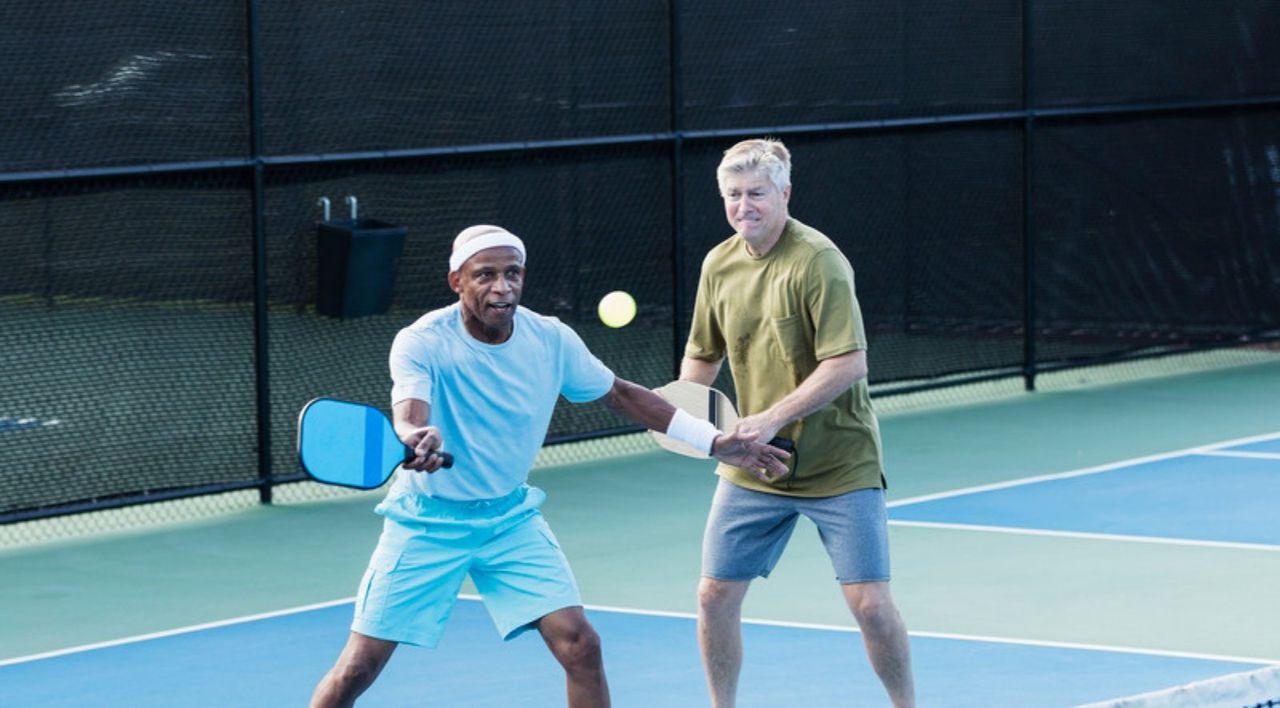
Older players dominate the numbers in every study we reviewed:
- JAMA Ophthalmology found more injuries among patients 50 or older than among younger patients (reported difference 39%; 95% CI 6%–65%).
- Eye reported a mean age of 58.27 for pickleball eye injuries. Dodgeball and kickball injuries were mostly in children, with mean ages of 13.32 and 14.88.
- The Digital Journal of Ophthalmology study reported a mean age of 59.9 and found 54.7% of patients were male.
The researchers don't say why older players are over-represented. Participation patterns, balance and reaction time are all plausible factors, but none of these studies tested them, so we won't claim a cause.
How do pickleball eye injuries happen?
The studies agree on three mechanisms but rank them differently, mostly because they define "eye injury" differently.
- JAMA Ophthalmology: "direct hit by a pickleball, direct hit by a paddle, and falls."
- Eye: direct ball impact was the leading mechanism across the three sports studied. Falls (15.38%) and orbital fractures (11.54%) were notably more common with pickleball.
- Digital Journal of Ophthalmology: the most common mechanism was a fall with facial trauma (60.7%), followed by paddle impact (15.4%) and ball impact (10.3%).
What this means for eyewear (RatedEyewear planning note): protective eyewear is designed for ball and paddle impacts, the threats the ASTM F3164 racket-sports standard addresses. It can't prevent a fall. The Digital Journal of Ophthalmology figures suggest falls make up a large share of injuries around the eye. Good footwear, court awareness and not backpedaling for lobs matter as much as glasses.
What kinds of eye injuries are they?
- JAMA Ophthalmology lists severe injuries including retinal detachment, orbital fracture, globe trauma and hyphema (bleeding inside the front of the eye).
- Eye reports corneal abrasion as the most frequent diagnosis across the sports studied.
- Digital Journal of Ophthalmology found lacerations (38.5%) and contusions or abrasions (23.1%) were the most common primary diagnoses. It notes that most cases were "clinically minor": 98.3% of patients were treated and released.
So most ED visits aren't sight-threatening, but a small number are very serious. That's why eye doctors recommend protection even for recreational play.
Do players wear eye protection?
Not often. A separate JAMA Ophthalmology study reviewed footage of 175 professional players and surveyed 148 amateurs:
- 20% of professionals wore eyewear.
- 45.27% of amateurs reported wearing eyewear.
- 61.19% of those amateurs wore their own regular glasses, not dedicated protective eyewear. The authors note these "may not meet the specifications for adequate protection."
- Players who skipped eyewear most often cited discomfort from fogging and sweat (27.16%) or said they'd never considered eye injury (25.93%).
The JAMA Ophthalmology injury study's authors add that "eye protection is not currently mandated for casual or professional play" and recommend standardized guidelines.
Why do the estimates differ?
- Different years: 2005–2024 vs. 2014–2023 vs. 2010–2023.
- Different case definitions: the Eye study combined eye, face and head body-part codes with NEISS product code 3235 ("Other Ball Sports") and confirmed each case by reading the narrative. The Digital Journal study counted injuries in and around the eye, including falls with facial trauma. Broader definitions produce larger totals.
- Small samples: each national estimate is built from a few dozen to about a hundred real cases, then weighted up.
When you cite these numbers, name the study and its years rather than quoting one "official" figure.
Racket sports in the national picture
Prevent Blindness, citing CPSC NEISS data, estimates 44,052 sports-related eye injuries treated in the US in calendar year 2025, including 2,343 in racquet sports. This is a category total, not a pickleball-only figure.
Bottom line
Peer-reviewed analyses of national ED data agree that pickleball eye injuries are rising quickly, especially among players over 50. The most recent estimate is about 1,262 ED-treated eye injuries in 2024. Ball and paddle impacts are the risks protective eyewear is built for. Falls are not.
Reference table: study details
| Item | JAMA Ophthalmology (injuries) | Eye (Shah et al.) | Digital J. Ophthalmology |
|---|---|---|---|
| Years | 2005–2024 | 2014–2023 | 2010–2023 |
| Sampled cases | 73 | 120 across 3 sports (pickleball share estimated at 2,573) | 117 |
| National estimate | 3,112 | 2,573 (pickleball) | 6,015 |
| Trend finding | +405/yr (2021–2024) | Significant rise (P = 0.04) | +37.3% (2022→2023) |
| Age finding | More in 50+ | Mean 58.27 | Mean 59.9 |